
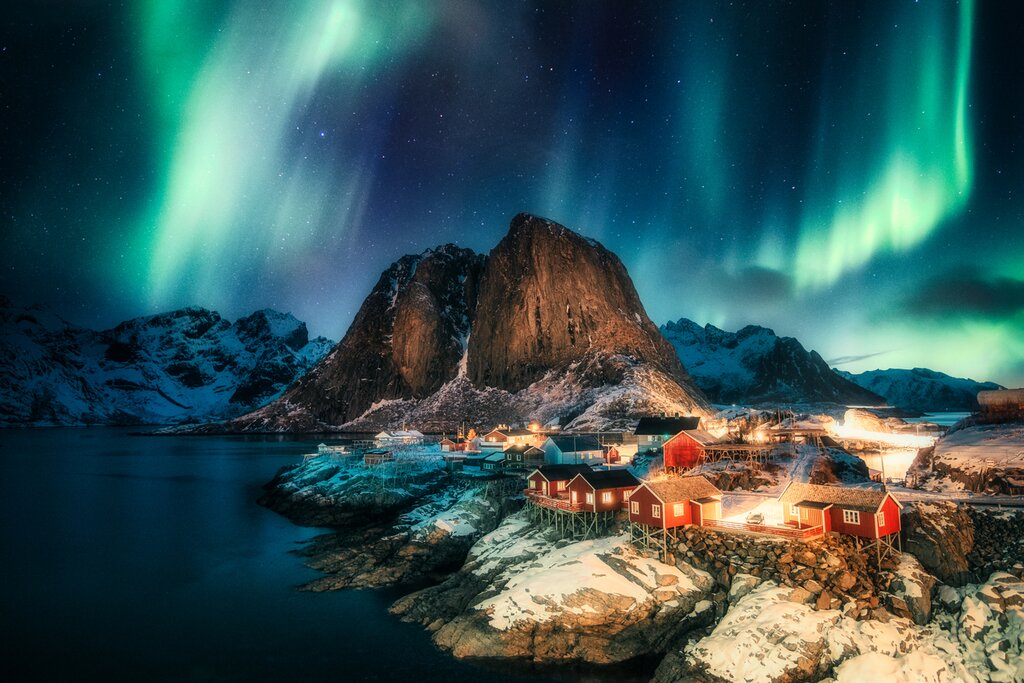
2026: One of the Strongest Years in a Generation to See the Northern Lights
If seeing the Northern Lights has been sitting on your bucket list for years, consider this your sign — 2026 is shaping up to be one of the strongest years in a generation to witness them.
The Northern Lights (Aurora Borealis) are driven by solar activity, which follows an approximately 11-year cycle. We’re currently coming off an exceptionally strong solar peak, meaning the Sun is still sending huge bursts of charged particles toward Earth. When those particles collide with our planet’s magnetic field, the sky erupts in waves of green, pink, purple, and sometimes even red.
The good news? That heightened activity doesn’t drop off overnight.
Experts expect 2026 to remain a prime aurora year, with vivid, frequent displays still very much on the menu. After that, activity will gradually taper off over the next 3–5 years, becoming less intense and less frequent until the next solar cycle builds again in the early 2030s.
In short: if you want big, bold Northern Lights — now is the time.
Before we move on, did you know that we have an incredible travel app with more than 200 Destinations and 25,000 Activities on it? It’s free to download and nearly all of the features are free to use as well. Explore More & Travel Better with Tripio! Get the app today!… now back to our article.
When Is the Best Time of Year to See Them?
Northern Lights season typically runs from late August through mid-April, when nights are long and skies are dark enough for aurora activity to shine.
The most reliable months are:
October to March – peak darkness and consistent activity
February and March – a sweet spot for clearer skies and slightly milder winter conditions
Summer is generally off-limits for aurora hunting in the Arctic, as the midnight sun simply doesn’t allow for dark skies.
The Best Places in the World to See the Northern Lights
While strong solar storms can occasionally push the aurora farther south, the most reliable sightings happen within the Auroral Oval, a ring around the Arctic Circle.
Norway

Photo by Wikimedia
Tromsø and Northern Norway are legendary for aurora viewing
Fjords, Arctic landscapes, and excellent tour infrastructure
Best from September to April
Sweden
Photo by PickPik
Swedish Lapland, especially areas like Abisko
Known for clearer skies and dramatic mountain backdrops
Best from October to March
Finland
Photo by GoodFon
Finnish Lapland (Inari, Saariselkä, Luosto)
One of the highest chances of seeing the lights on any given night
Best from September to March
Iceland

Photo by GoodFon
Easily accessible aurora viewing combined with waterfalls, glaciers, and volcanoes
Lights often visible just outside Reykjavík with clear skies
Best from October to March
Canada
Photo by Wikimedia
Yellowknife (Northwest Territories) – often called the Aurora Capital of North America
Yukon and northern Manitoba also offer incredible viewing
Best from September to April
Alaska
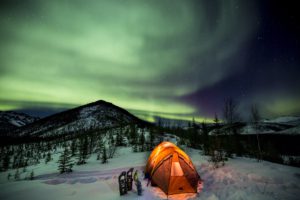
Photo by Bureau of Land Management on Flickr
Fairbanks is one of the most reliable aurora destinations in the world
Long, dark winters and minimal light pollution
Best from September to March
A New Way to Chase the Lights: The Northern Lights Train (2026)
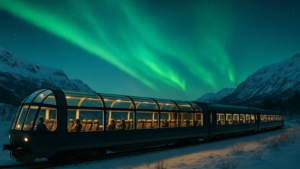
Photo by Wikimedia
One of the most exciting additions to aurora travel in 2026 is the rise of Northern Lights train experiences. These routes are designed to glide deep into remote Arctic regions, far from light pollution, offering travellers the chance to watch the sky dance from panoramic train windows or remote wilderness stops.
Think:
Overnight rail journeys through Arctic Norway
Scenic winter routes linking Alaska’s aurora hotspots
Slow travel that blends comfort, scenery, and sky-watching
It’s a completely different way to chase the lights — no standing in freezing winds for hours, no rushing between locations — just dark skies, quiet landscapes, and the magic unfolding above you.
Why 2026 Is Truly Special
What makes 2026 stand out isn’t just that the Northern Lights are active — it’s how strong and widespread they still are. Displays are expected to be brighter, more frequent, and visible farther south than in quieter solar years.
As solar activity slowly declines over the coming years, aurora sightings will still happen, but they won’t pack the same punch. That makes 2026 one of those rare windows where science, timing, and travel opportunity align perfectly.
So whether you’re dreaming of watching the lights ripple over a frozen lake, dancing above snow-covered peaks, or flickering outside a train window in the Arctic night — 2026 may be your moment.
And trust me: it’s worth chasing.
Check out: The World’s Weirdest Travel Gotchas (That Might Save You a Fine)
-Olivia, Tripio Guru
Download the free Tripio app on iOS and Android!











 Tiktok
Leave a Reply
Want to join the discussion?Feel free to contribute!